Kitchens & bathrooms
The rooms with the most trades in them, which is why they go wrong most often.
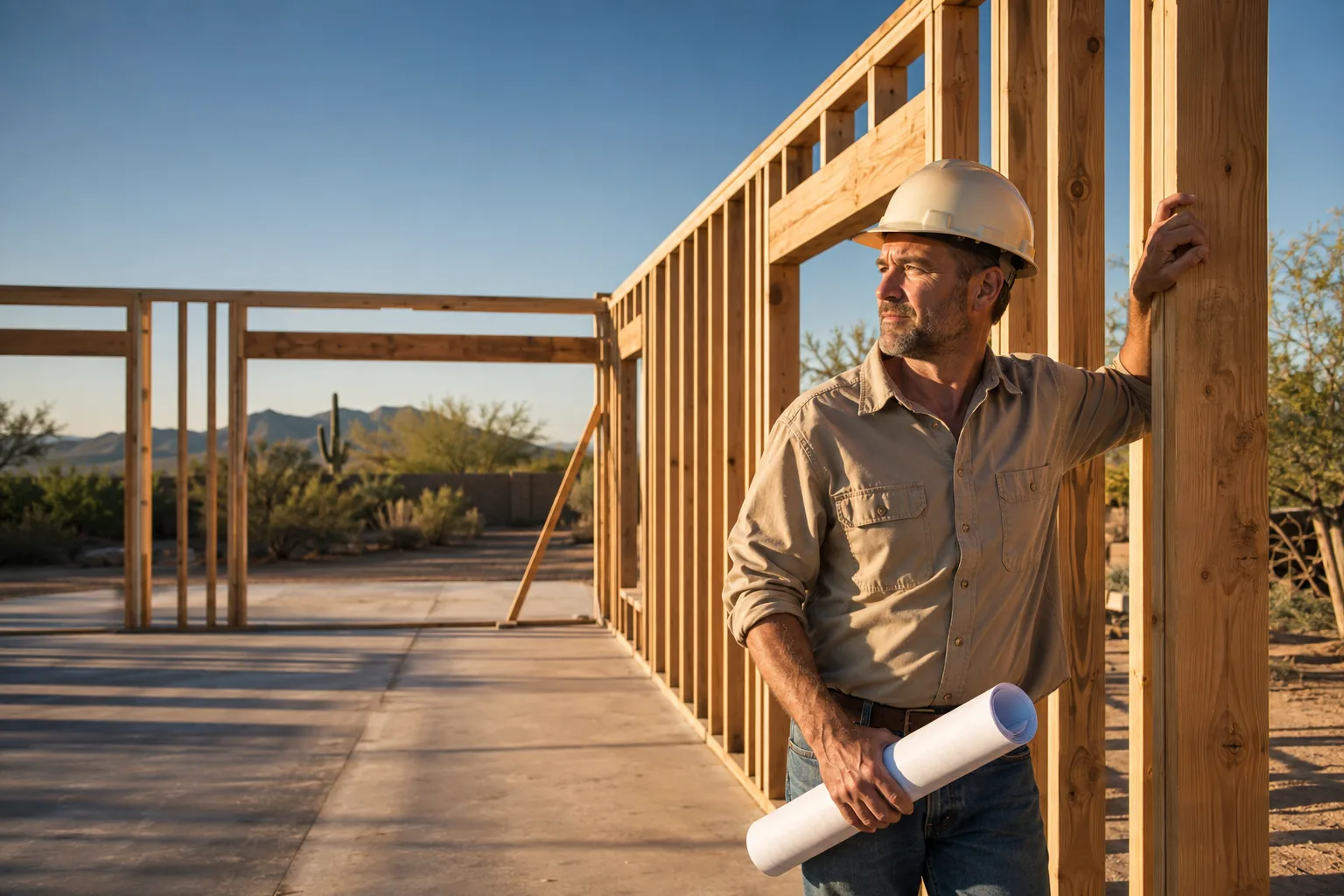
Kitchens, additions and casitas across the Valley. One fixed price agreed before demolition starts, one lead carpenter from first cut to final walk-through, and a written update every Friday you live through it.
Not a gallery of pretty corners. Each of these is the whole story: what the house was, what we changed, how long it took and what it cost to get there.
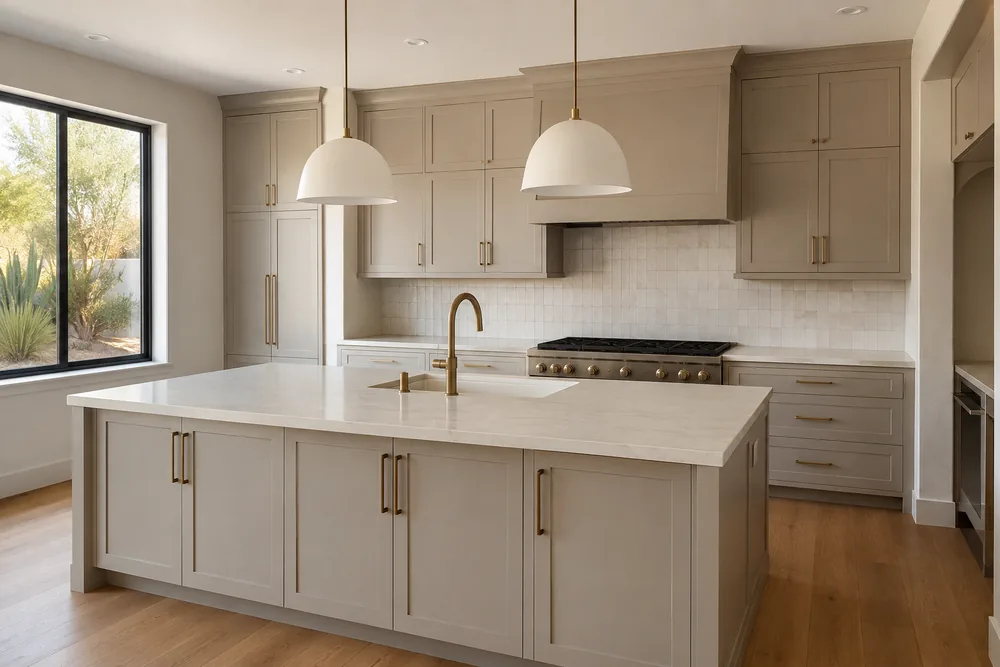
A load-bearing wall, a nine-week programme and a kitchen that finally faces the citrus trees.
Read the whole job →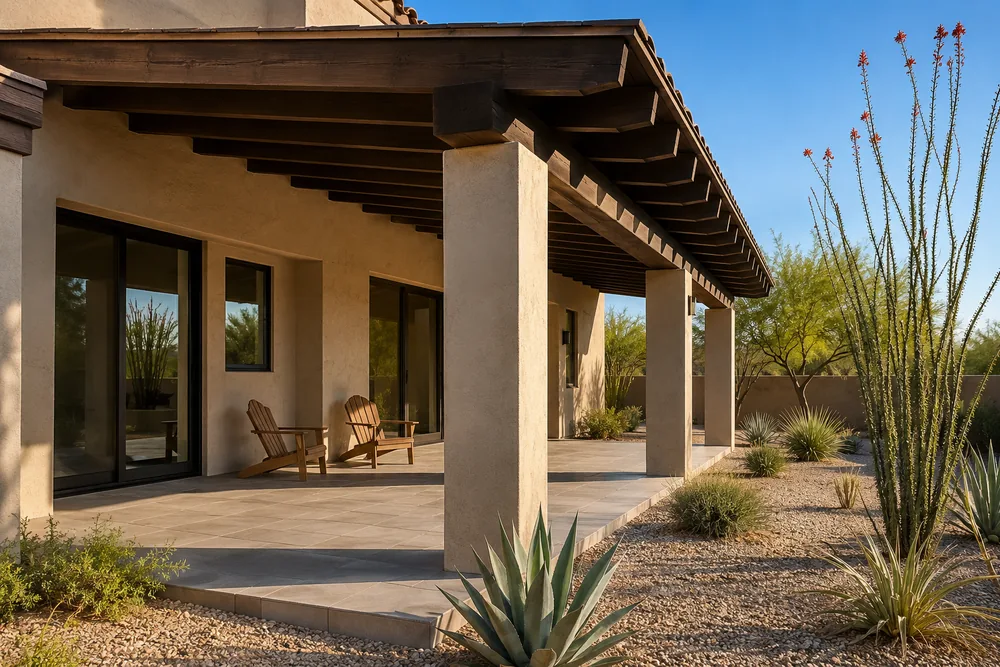
A ramada on real footings, wired and lit during the build rather than bolted on after it.
Read the whole job →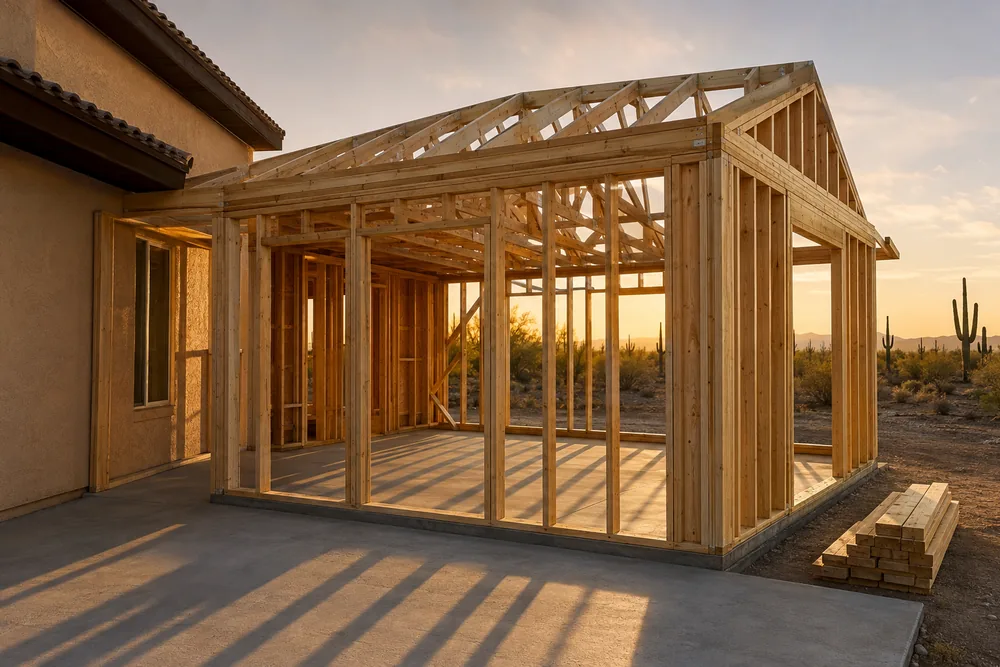
A primary suite on the back of a 1978 house, matched closely enough that visitors miss it.
Read the whole job →Four kinds of work. We do not chase everything — a firm that claims every trade is subcontracting most of them.
The rooms with the most trades in them, which is why they go wrong most often.
Extra square footage that matches the original house closely enough to stop being noticeable.
The shaded room that turns a Phoenix garden from an oven into the best part of the house.
One contract for the whole house, usually while you live somewhere else.
Including the part most builders leave out of the sales pitch: the weeks your project sits at the city waiting for a permit.
Free, about an hour. We look at what is behind the walls you want moved and tell you honestly what is easy and what is not.
Drawings, specification and one price. If you stop here you owe nothing and the drawings are yours.
Permit review. Nothing happens at your house and nobody can speed it up. We tell you this before you sign, not after.
One lead carpenter, the same face every day. A written update every Friday whether or not there is good news.
We walk it with you and write down everything, including the things you feel awkward mentioning. Then we fix all of it.
Our workmanship is covered for two years. Appliances and materials keep whatever the manufacturer gives, registered by us.
Every one of these is written into the agreement you sign. None of them is a slogan.
The number on the contract is the number on the final invoice. It moves only if you ask for something different, in writing, with the cost agreed first.
The same person is on your house every day of the build. You will not be introducing yourself to a new crew in week six.
What happened, what is next, and anything that has gone wrong. You should never have to ring us to find out where your project is.
If you are living in the house during the build, you get it back in a usable state at the end of each day. Dust barriers go up on day one.
If something we built fails, we come back and put it right. That is separate from, and on top of, the manufacturer warranties.
Some projects do not return what they cost, and some houses are not worth the addition. We would rather lose the contract than take one we would talk a friend out of.
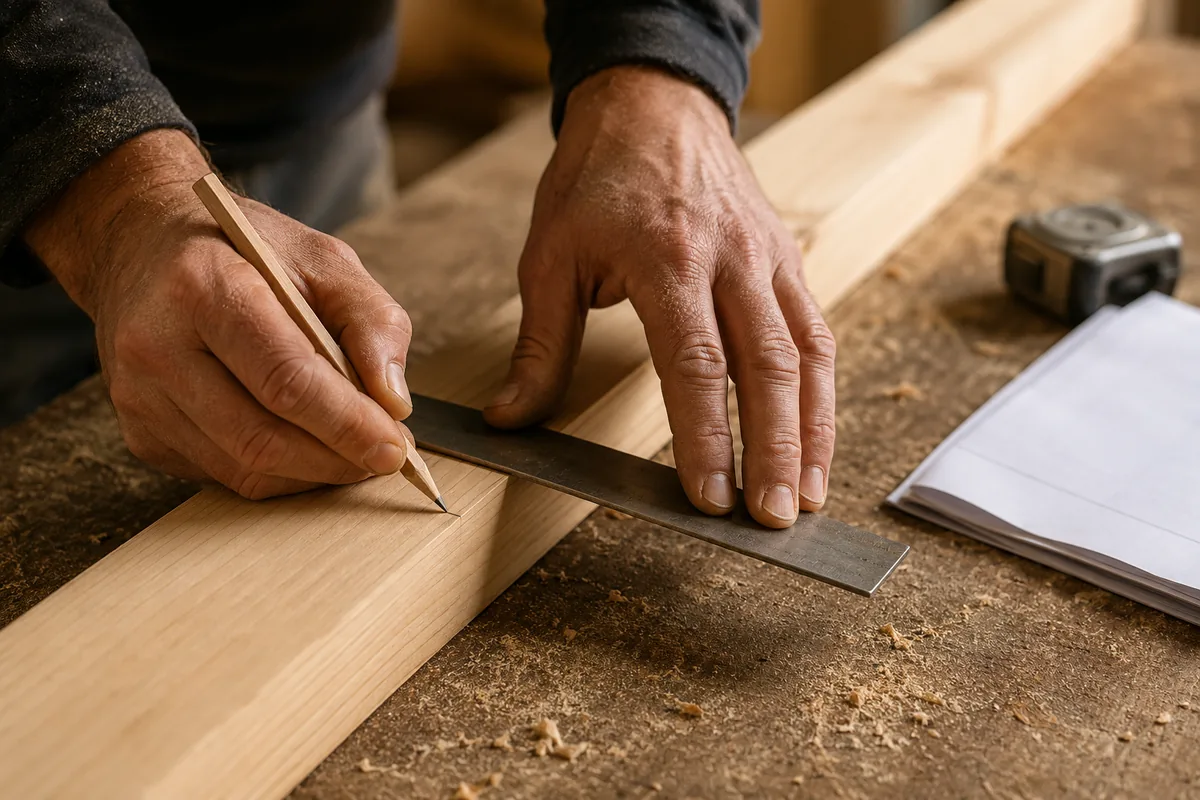
Almost everything that goes wrong on a build was decided weeks earlier, on paper, by someone in a hurry. So we spend an unfashionable amount of time before demolition: sequencing trades, ordering long-lead items during permit review, and checking that what the drawings say can actually be built the way they say it.
It is not romantic and it does not photograph well. It is the reason our jobs finish within a week of the date we gave you, and the reason the final invoice matches the contract.
We were told by two other firms that the wall could not come out. Dan brought an engineer to the second visit, at his own cost, and came back with a price that included the beam. The final invoice was the contract price to the dollar.
Fourteen weeks with a hole in the back of the house and I never once had to ring and ask what was happening. The Friday email arrived every Friday, including the week the city sat on the permit and there was nothing to report.
They talked us out of the bigger version. Roselle worked out what it would add to the appraisal, which was less than it would cost, and said so. We spent the difference on the kitchen instead and she was right.
The site visit is free, it takes about an hour, and you get an honest answer about whether the thing you want is worth building.